
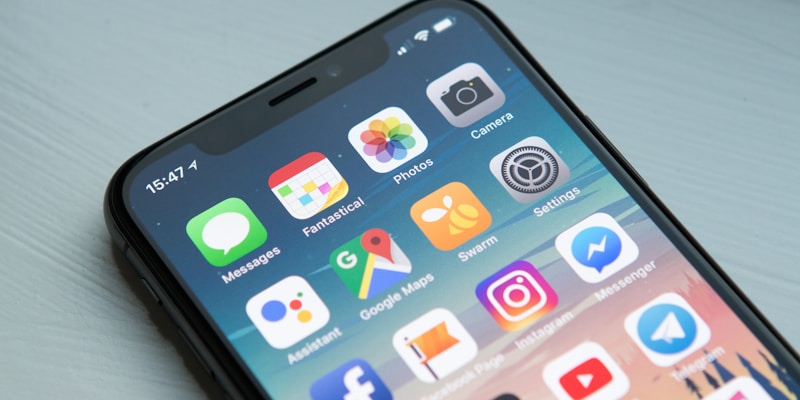
The Mobile Revolution Continues
As we move deeper into 2026, mobile devices have become the primary way people interact with digital content. At AomProuddyogiki, we've embraced mobile-first development as our standard approach, and here's why it matters. The mobile landscape has evolved dramatically, with smartphones and tablets becoming the central hub for digital experiences worldwide.
Mobile Usage Statistics That Matter
Recent studies show that mobile devices account for over 60% of all internet usage worldwide. This shift has profound implications for how we design and develop software. The numbers tell a compelling story about the mobile-first imperative:
- Primary Access Point: For many users, mobile is their only or primary device for accessing digital services
- Context-Aware Usage: Mobile users are often on-the-go, multitasking, and accessing content in varied environments
- Touch-First Interactions: Gestures and touch interfaces require fundamentally different design thinking than mouse-based interactions
- Notification-Driven Engagement: Push notifications have become a primary way to re-engage users with applications
Benefits of Mobile-First Development
When we start with mobile in mind, we create better experiences across all devices. The constraints of mobile development force us to focus on what truly matters, leading to more refined and effective solutions:
- Performance Optimization: Mobile constraints force us to prioritize what's essential, resulting in faster, more efficient applications
- Progressive Enhancement: Adding features for larger screens becomes natural and intuitive rather than an afterthought
- Universal Accessibility: Mobile-first designs are often more accessible by default, benefiting all users
- Better User Experience: Focusing on mobile usage patterns leads to more intuitive and user-friendly interfaces
Technical Considerations in Mobile-First Development
Mobile-first development requires a different technical approach. We consider factors like network reliability, battery life, processing power, and screen real estate from the very beginning of our design process.
Our technical strategy includes:
- Responsive Images: Using modern image formats and responsive loading techniques to optimize performance
- Progressive Web Apps: Building applications that work offline and provide app-like experiences in the browser
- Touch Optimization: Designing interfaces that work beautifully with touch gestures and thumb navigation
- Performance Budgeting: Setting strict performance limits to ensure fast loading times on mobile networks
Our Mobile-First Philosophy
At AomProuddyogiki, mobile-first isn't just a technique—it's a mindset. We consider mobile constraints from the very beginning, ensuring that every decision we make serves the mobile user experience first. This approach has transformed how we think about software development.
We've seen remarkable results from this philosophy. Our mobile-first applications consistently outperform traditional desktop-first designs in terms of user engagement, conversion rates, and overall satisfaction. The approach forces us to focus on the user's core needs and eliminate unnecessary complexity.
The Future of Mobile Development
As mobile technology continues to evolve, we're excited about emerging trends that will further enhance mobile experiences. Foldable devices, 5G networks, and advanced sensors are opening new possibilities for mobile applications.
Our commitment to mobile-first development ensures that we're always prepared for these changes. By building with mobile constraints in mind, we create software that's future-proof and adaptable to new technologies and user expectations.
In a mobile-dominated world, mobile-first development isn't optional—it's essential. At AomProuddyogiki, we're proud to lead the way in creating mobile experiences that truly understand and serve our users' needs.
